Posts

Reconciliation, Not Divorce: Why Should a Husband and Wife Be Reconciled?

Image
In a world that increasingly normalizes separation and divorce, the sacred covenant of marriage is often diminished to a contract of convenience. Yet, from a biblical perspective, marriage is far more than a legal arrangement—it is a divine institution established by God the Father, meant to reflect His love, faithfulness, and unity. When conflicts arise in marriage, the call of Scripture is not for abandonment but for reconciliation. This call flows from the heart of the Father, who reconciles sinners to Himself through Jesus Christ and commands us to mirror that same ministry of grace and restoration in our relationships—especially within the family. 1. Marriage Is a Covenant Before God Scripture affirms that marriage is not a human invention but a divine covenant. In Malachi 2:14-16, God speaks with righteous indignation against the breaking of this covenant: “Yet you say, ‘For what reason?’ Because the Lord has been witness between you and the wife of your youth, with whom yo...

When a Father Falls Asleep: A Tribute of Love and Faith in the Image of God

Image
In moments of sorrow, when we gather to honor the life of a beloved father, our hearts are filled with both grief and gratitude. Grief—because the one we loved and looked up to is no longer with us in the flesh. Gratitude—because of the life he lived, the family he raised, the example he set, and the love he gave. Today, as we remember a faithful father, we also turn to the comfort of Scripture and the truth of our faith, which teaches us that earthly fatherhood is a sacred reflection of the heavenly Father. The Scriptures remind us that fatherhood is not merely a social or biological role—it is a spiritual calling. In the Christian vision of family, the earthly father is meant to reflect something of the nature and heart of God the Father . His leadership, love, sacrifice, and guidance become a living picture of God’s care for His people. 1. The Christian Family Reflects the Household of God The Christian family is more than a social unit; it is an expression of God’s own hous...

Your House Can Be a Bethesda: A Message to the Christian Family

Image
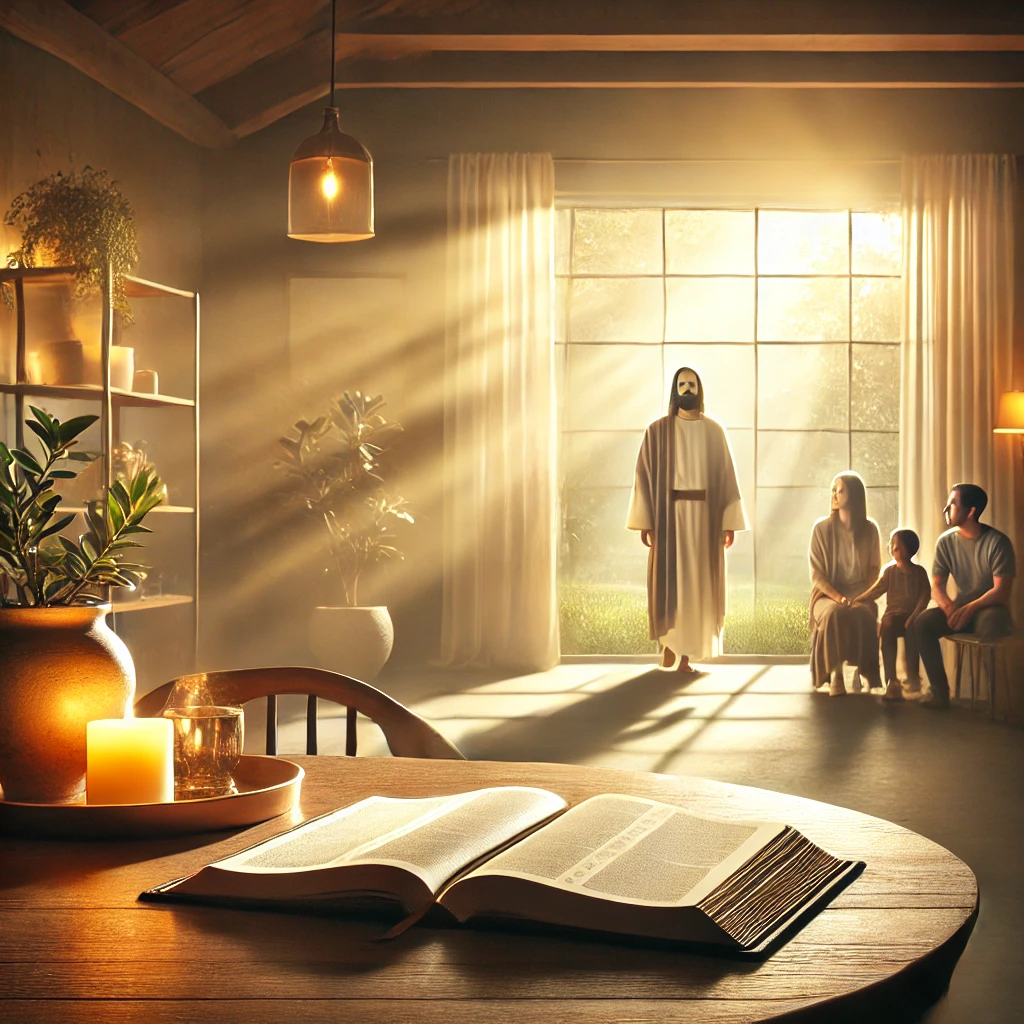
In John 5:1–18 , we read the powerful story of a man who had suffered for 38 years, lying beside the Pool of Bethesda, waiting for healing. One day, Jesus came, saw him, spoke to him, and made him whole. This account is more than a miracle—it’s a window into Christ’s heart and a pattern for how healing can begin at home. What if your home could become a Bethesda —a place of mercy, restoration, and grace? A place where Jesus is welcomed, suffering is noticed, brokenness is met with compassion, and transformation begins? Here are six biblical applications from this story for every Christian family. 1. Recognizing and Responding to Suffering Within the Family “When Jesus saw him lying there and knew that he had already been a long time in that condition…” (John 5:6) Jesus noticed the man before he ever spoke. He saw not only the man’s physical state but also the loneliness and helplessness hidden beneath. In the family: Each member must learn to see beyond the surface. Is th...

أمل للعائلات المجروحة والمُنهكة

Image
إذا شعرت عائلتك بالتعب أو الجرح أو الانكسار، فأنت لست وحدك. كثيرون يحملون آلامًا صامتة - زيجات فاشلة، تباعدًا عاطفيًا، تواصلًا متوترًا، أو وحدة عميقة في المنزل. لكن هناك قصة في انجيل يوحنا ٤ تُبعث أملًا حقيقيًا، حتى في أكثر الحالات جرحًا . إنها قصة امرأة سامرية التقت بالرب يسوع عند بئر. كانت حياتها مشوشة . علاقاتها معقدة. كان قلبها عطشانًا. لكن في ذلك اليوم، بدأ كل شيء يتغير . ١ - الرب يسوع يلتقينا في تشويشنا لم تكن المرأة عند البئر تبحث عن الرب يسوع - بل كان هو يبحث عنها. في حديثهما، كشف الحقيقة بلطف: "كان لكِ خمسة أزواج، والذي لكِ الآن ليس زوجكِ" (يوحنا ٤: ١٨) . كان الرب يسوع يعرف كل شيء عنها - علاقاتها المحطمة، أخطائها الماضية، شهواتها العميقة. لكنه لم يرفضها. لم يُدنها. رحّب بها في الشفاء والنعمة . ربما تشعر أن عائلتك لا يمكن إصلاحها. ربما كان هناك الكثير من الألم، والكثير من الكلمات التي قيلت، والكثير من لحظات الصمت. لكن الرب يسوع لا يزال يلتقي بالناس في خضم التشويش. إنه يرى الألم - ويمنح الأمل، قلبًا تلو الآخر . 2- قوة الاعتراف الصادق قبل أن يكشف الر...

Hope for Wounded and Weary Families

Image
If your family feels tired, wounded, or broken, you’re not alone. Many people carry silent heartaches—failed marriages, emotional distance, strained communication, or deep loneliness at home. But there’s a story in John 4 that brings real hope, even to the most wounded places. It’s the story of a Samaritan woman who met Jesus at a well. Her life was messy. Her relationships were complicated. Her heart was thirsty. But that day, everything began to change. 1. Jesus Meets Us in Our Mess The woman at the well wasn’t looking for Jesus—but He was looking for her. In their conversation, He gently revealed the truth: “You had five husbands, and the one you now have is not your husband” (John 4:18). Jesus knew everything about her—her broken relationships, her past mistakes, her deep longing. But He didn’t reject her. He didn’t condemn her. He welcomed her into healing and grace. Maybe you feel like your family is beyond fixing. Maybe there’s been too much hurt, too many words said, ...

The Family: God’s Vinyard

Image
Beloved in Christ, We might see other things more precious to us than our families. Yet, how often do we see them through the eyes of God—as a vineyard entrusted to our care, planted by His hands, watered by His grace, and destined to bear fruit for His Kingdom? In Matthew 21:33–46, Jesus shares a powerful parable about a landowner who lovingly planted a vineyard and entrusted it to tenants. These tenants failed in their responsibility. They rejected the servants sent by the owner—and finally, they killed his son. This parable reveals much about Israel’s rejection of God’s Word and, ultimately, His Son. But it also speaks deeply to us about relationships, especially the family, as the first field in which God expects His Word to bear fruit. Let us reflect today on this truth:  The rejection of the Word and the Son in our homes is a rejection of the Father Himself. But if we receive His Word and honor His Son, our families will flourish as fruitful vineyards in the Kingdom o...

أكرم أباك وأمك

Image
وصية "أكرم أباك وأمك" (أفسس 6: 2) هي مبدأ أساسي في الحياة المسيحية، ولها جذورها في العهدين القديم والجديد. وتنبع هذه الوصية من الوصية الخامسة من الوصايا العشر في سفر الخروج 20: 12 وتثنية 5: 16، وقد أكّدها الرسول بولس في العهد الجديد. يُشدّد بولس على أن إكرام الوالدين ليس مجرد تقليد مجتمعي، بل هو أمر إلهي مرتبط بوعد الله بالبركة. في الإطار المسيحي، يتجاوز إكرام الوالدين مجرد الالتزام؛ فهو يعكس طاعة الله، ويُجسّد الاحترام والامتنان والمحبة داخل الأسرة ومجتمع الكنيسة الأوسع . السياق والمعنى الكتابي يُعدّ إكرام الوالدين مبدأً كتابياً أساسياً يضمن الوفاء الفردي والجماعي. وهو يعكس تدبير الله لبناء الأسرة واحترامها ونظامها. في كلٍّ من العهدين القديم والجديد، يُقدَّم تكريم الوالدين كواجب أخلاقي ذي دلالات روحية وعملية عميقة. ويؤكد القديس بولس، في رسالته إلى أهل أفسس، هذه الوصية، مشددًا على أهميتها الدائمة للمؤمنين. ١- تعليم القديس بولس في أفسس ٦: ٢ في أفسس ٦: ١-٣، يحثّ بولس الأبناء على طاعة والديهم، مُعزّزًا تعليماته بالوصايا العشر: "أَيُّهَا الأَوْلاَدُ، أَطِيعُوا وَالِد...